
What to Do in a Power Cut: A UK Guide to Being Ready for 3 Days
Power cuts in the UK are usually short, but storms, flooding and cyber attacks can leave homes without electricity for much longer. That is why the Government’s Be Ready campaign, launched in October 2026, asks every household to be able to manage for three days without power, water or phone networks. This guide explains what to do the moment the lights go out, how to stay safe, warm and informed, and what to keep in a simple power cut kit.
The first 10 minutes: check, report, switch off
Check whether it is just you. Look out of the window or ask a neighbour. If only your home is affected, check your fuse box or consumer unit for a tripped switch.
Report it on 105. Call 105, the free national power cut number for England, Scotland and Wales, to report the fault and get updates from your local network operator. Save the number in your phone now.
Switch off appliances. Turn off electrical items that could come on unexpectedly or overload the supply when power returns, but leave one light switched on so you know when it is back.
Light: use torches, not candles
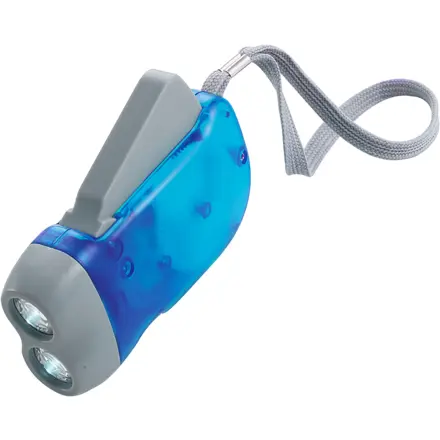
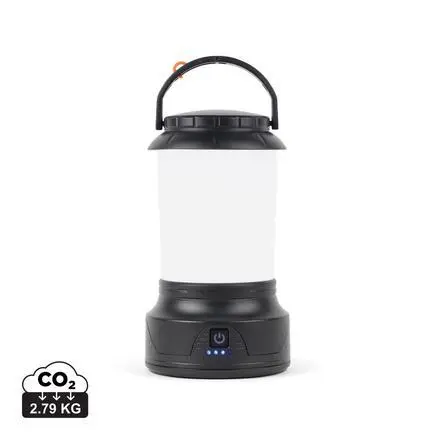
The official Be Ready checklist recommends a torch with spare batteries and points out that it is safer than candles. Better still, keep a wind-up or rechargeable torch that never runs flat in a drawer, and a head torch so you can move around, cook or look after children with both hands free. A crank or rechargeable lantern lights a whole room.
Information: a radio that works without the internet
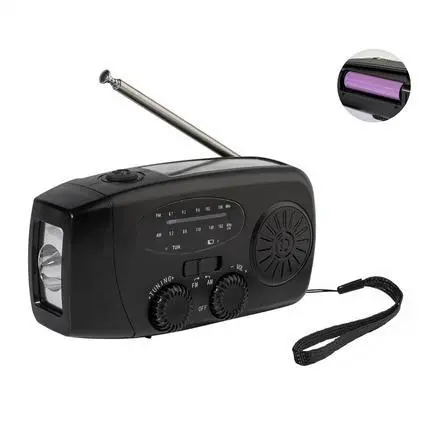
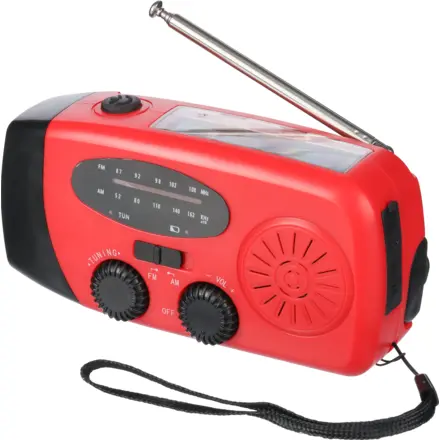
When the power goes, broadband routers stop working and mobile masts can lose power too. A battery-powered or wind-up FM radio keeps you in touch with local and national news and emergency updates. Write down your local radio station frequencies and keep them with the radio.
Power: keep phones charged
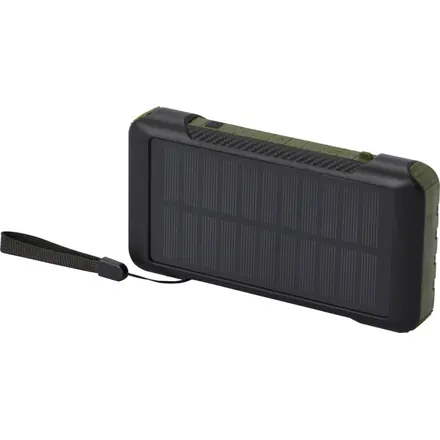
Keep at least one charged power bank in the house and top it up every few months. A 10,000mAh power bank charges a typical smartphone two to three times; a 20,000mAh power bank keeps a family going for days. Solar and wind-up power banks can be recharged with no mains power at all. Save battery by lowering screen brightness and switching off apps you do not need.
Warmth: layers, blankets and staying safe
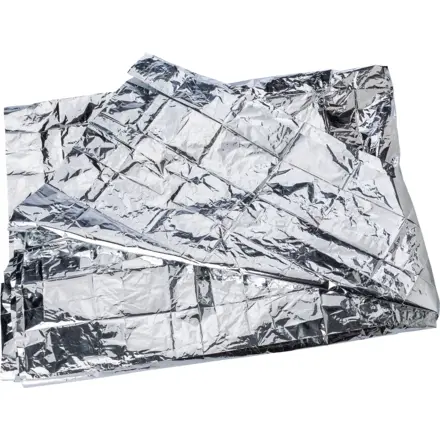
In winter a home cools quickly without heating. Gather everyone into one room, close curtains and doors, wear layers and use blankets and foil thermal blankets. Never use a barbecue, camping stove, patio heater or generator indoors: they give off carbon monoxide, which can kill.
Food and water
Keep the fridge and freezer doors closed. Store 3 litres of bottled water per person per day and food that needs no fridge or cooking, such as tins with ring-pull lids, dried fruit and nuts. Remember a manual tin opener and food for pets.
Look out for each other
Check on elderly or vulnerable neighbours. Anyone who relies on medical equipment, or who is elderly, disabled or has young children, can join their energy company’s free Priority Services Register for extra support in a power cut.
Your 3-day power cut kit
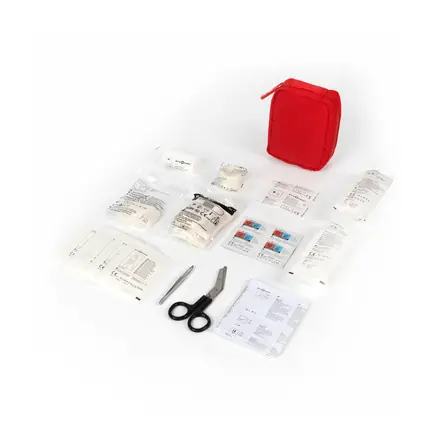
These are the items that do the most work when the electricity is off. Every one can be branded with your logo, which makes a practical and genuinely useful gift for employees, tenants and customers.

See the full emergency kit range
Power cut checklist
- Torch or wind-up torch, plus spare batteries
- Head torch and a rechargeable or crank lantern
- Battery or wind-up FM radio, with local frequencies written down
- Charged power bank (and the right charging cables)
- First aid kit and essential medication
- Blankets, foil thermal blankets and warm clothing
- 3 litres of water per person per day, and food that needs no cooking
- Cash, copies of important documents and emergency contacts
- The number 105 saved in every phone
Frequently Asked Questions
What should I do first in a power cut?
Check whether your neighbours have lost power too and look at your fuse box or consumer unit for a tripped switch. If it is not just your home, report it by calling 105, the free power cut number for England, Scotland and Wales. Then switch off appliances, leaving one light switched on so you know when the power is back.
Is it safe to use candles in a power cut?
Torches are safer. The UK Government’s Be Ready checklist recommends a torch with spare batteries rather than candles, because candles are a fire risk, especially with children and pets around. Wind-up, solar and rechargeable torches and lanterns never leave you without light.
How long will food last in the fridge and freezer during a power cut?
Keep the doors closed as much as possible. A closed fridge and freezer stay cold for hours, and a full freezer keeps food frozen for longer than a half-empty one. If in doubt about food that has warmed up, throw it away.
What is the Priority Services Register?
It is a free register run by energy suppliers and network operators for people who need extra help in a power cut, for example because of medical equipment, age, disability or young children. Ask your supplier or network operator to add you or a relative.
What should be in a power cut kit?
A torch with spare batteries or a wind-up torch, a battery or wind-up FM radio, a charged power bank, a first aid kit, blankets and warm layers, bottled water (3 litres per person per day), food that needs no cooking, cash and copies of important documents.